A guarantor loan exists for one specific situation: someone can't get approved for a standard personal loan because their credit history is thin, damaged, or non-existent, but they know someone — a parent, a sibling, sometimes a close friend — willing to promise the lender that if the borrower stops paying, they will. Providers such as Amigo Loans (now wound down after its 2021 court case, though similar lenders like TFS Loans and Bamboo Loans have filled the gap) built entire businesses around this model, lending to people mainstream banks reject while pricing in the extra risk through APRs that would make a standard personal loan provider blink.
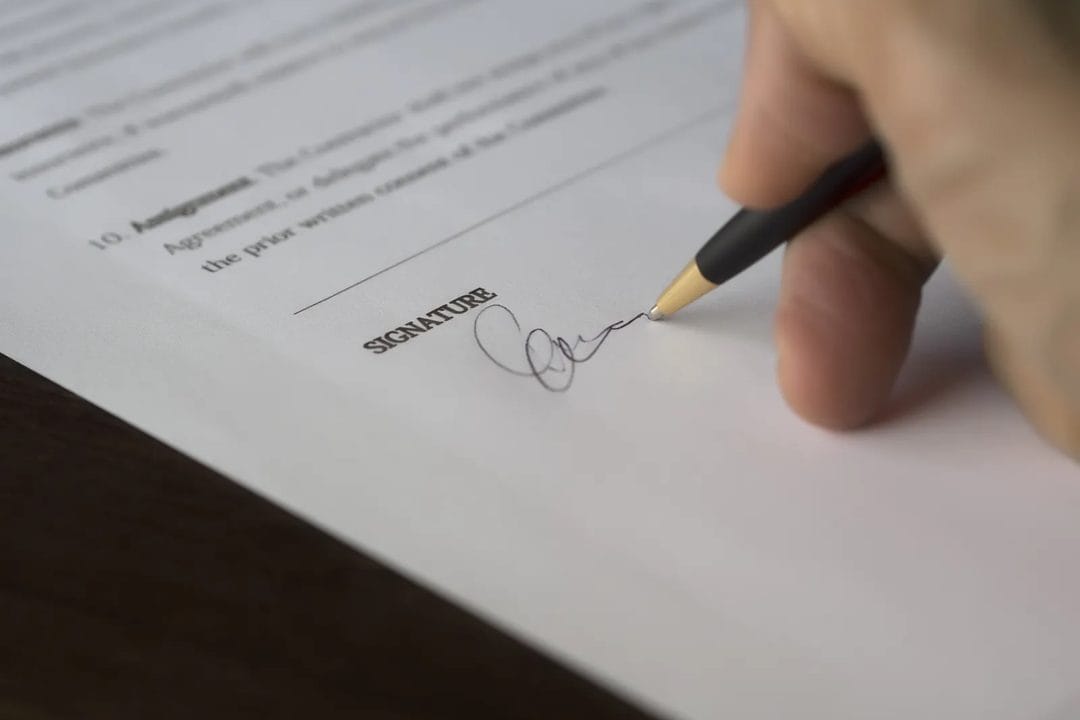
The structure sounds simple enough in a sales pitch: the guarantor doesn't pay anything unless the borrower defaults. In practice, the guarantor is signing a legally binding commitment to take on someone else's debt the moment that person misses payments, and the paperwork that spells out exactly how and when that kicks in is usually the part nobody reads properly before signing.
What the guarantor is actually agreeing to
When you act as a guarantor, you're not giving moral support — you're entering a contract with the lender. If the borrower misses a payment, most guarantor loan agreements allow the lender to contact you and demand payment within days, sometimes immediately after a single missed instalment rather than after a pattern of non-payment. Some agreements require the lender to attempt recovery from the borrower first; others don't, and the guarantor can be pursued directly regardless of whether the lender has exhausted other options. Read the specific agreement, because this detail varies by provider and it changes how exposed you actually are.
Crucially, a missed payment by the borrower can appear on the guarantor's credit file too, not just the borrower's — this is the part that catches people out. Guarantor loan agreements typically state this in the small print, but "typically stated in the small print" and "clearly understood before signing" are two very different things. A guarantor with an excellent credit history, the exact reason they were asked to guarantee in the first place, can watch that history take a real hit for a debt they never personally spent a penny of.
What lenders can pursue a guarantor for
- The full outstanding balance, not just the missed instalment — most agreements make the guarantor liable for the entire remaining debt once default terms are triggered
- Late payment fees and default charges accrued on the account, which get added to what the guarantor owes
- Continuous payment authority — some lenders retain the right to take payments directly from the guarantor's debit card, and this has been a major source of complaints to the Financial Ombudsman
- Court action, in cases where the debt remains unpaid and the lender pursues a County Court Judgment against the guarantor directly
The interest rates are genuinely steep
Guarantor loans typically carry APRs somewhere between 30% and 50%, occasionally higher, reflecting the higher-risk borrower profile the product is designed for. Compare that to a standard unsecured personal loan from a mainstream bank, where a borrower with reasonable credit might pay 7-15% APR for the same amount, and the gap is stark. A £5,000 guarantor loan over three years at 40% APR could mean total repayments north of £8,000 — nearly double the amount borrowed — versus roughly £5,600-£6,000 for the same loan at a mainstream 12% APR.
That premium exists because the lender is pricing in a genuinely higher default rate among borrowers who couldn't get approved elsewhere. It's not predatory pricing in the legal sense — the FCA regulates these products and caps aren't breached — but it does mean the borrower is paying a substantial amount specifically for the privilege of having someone else's creditworthiness back them up, and that cost is worth being honest about before either party signs anything.
Why the FCA cracked down on this market
Amigo Loans, once the dominant name in UK guarantor lending, collapsed under a wave of complaints and an FCA-mandated redress scheme after regulators found the company had repeatedly lent to people without properly checking whether they, or their guarantors, could actually afford the repayments. The Financial Ombudsman upheld thousands of complaints from borrowers and guarantors who said affordability checks were inadequate or missing entirely. Amigo stopped issuing new loans in 2020 and wound down lending permanently by 2021, leaving a gap that smaller providers have since moved into with, in theory, tighter FCA-mandated affordability assessment on both the borrower and the guarantor.
If you're considering acting as a guarantor today, the lender is required to check that you could reasonably afford the repayments if the borrower defaults — not just that you own your home or have decent credit. Don't treat a lender's willingness to accept you as proof the arrangement is sensible for your specific finances; affordability checks assess whether you technically could pay, not whether doing so would derail your own plans.
What actually happens if the borrower stops paying
The sequence typically starts with a missed payment notice to the borrower, followed within a short window — often as little as one missed instalment under some agreements — by contact to the guarantor requesting the payment directly. If the guarantor pays to bring the account current, the loan usually continues as normal with the borrower resuming responsibility for future instalments, though the guarantor has no automatic right to have already-paid money reimbursed unless they separately agree that with the borrower.
If the guarantor also can't or won't pay, the lender can pursue the full outstanding balance through debt collection and, ultimately, county court action against the guarantor specifically. A CCJ against a guarantor stays on their credit file for six years regardless of whether it's later paid, and it will affect their ability to get a mortgage, a new credit card, or their own loan during that entire period — for a debt that originated with someone else's borrowing decision, not their own.
Before you agree to guarantee anyone's loan
Ask to see the actual repayment schedule and the full APR, not just the monthly figure the borrower mentions in passing. Check specifically whether the lender can pursue you after a single missed payment or only after a sustained pattern of default — this single clause makes a meaningful difference to how exposed you are day to day. And be honest with yourself about whether you could genuinely absorb the full remaining balance if things went wrong, not just the odd missed instalment here and there, because that's the realistic worst case you're actually signing up for.
If the honest answer is that losing that money would derail your own mortgage application, your savings, or your own credit standing, the better move is saying no and helping the borrower look at alternatives instead — a credit union loan, which typically caps interest well below guarantor-loan rates and assesses affordability directly rather than relying on a second person's finances, or a secured credit-builder card used carefully over six to twelve months to establish the credit history a guarantor loan was meant to work around in the first place.
What the borrower should weigh up before asking someone
Asking a parent or a close friend to guarantee a loan puts a relationship on the line in a way that's easy to underestimate before the first missed payment actually happens. It's one thing to ask a favour; it's another to hand someone a legal obligation that could show up on their credit file, affect their own ability to remortgage, or land in their inbox as a debt collection letter eighteen months from now. Borrowers who go this route because they genuinely have no other option should still be upfront about the real risk being asked of the guarantor — not the sanitised version a loan broker's marketing page tends to present, where the guarantor angle gets described as a formality rather than a binding financial commitment.
A guarantor loan can be the right tool in a narrow set of circumstances — someone rebuilding credit after a bankruptcy has been discharged, a recent graduate with no credit history at all who needs a loan for a specific, necessary purchase, or someone recovering from identity theft that trashed their file through no fault of their own. In those cases, a guarantor loan used carefully and paid on time every month can genuinely help rebuild a credit history that a standard lender wouldn't touch. The mistake is treating it as a first resort rather than a last one, or assuming the guarantor's exposure is theoretical because "nothing's gone wrong so far."
Checking the small print that actually matters
Two clauses are worth reading in full before either party signs anything, and both are usually buried several pages into the agreement rather than summarised on the front page. The first is the trigger point — exactly how many missed payments, and over what period, activate the lender's right to pursue the guarantor. The second is whether the lender needs to obtain a court order before taking money directly from the guarantor's account, or whether a continuous payment authority signed at the outset lets them attempt withdrawals without further authorisation. Both details determine how much warning, if any, a guarantor actually gets before money starts moving out of their account.
If either clause is unclear from the paperwork itself, ask the lender directly and get the answer in writing before signing — a guarantor loan provider that can't or won't clarify these terms in plain language is not one either party should be doing business with, regardless of how badly the loan is needed.